Wet does not always mean the same fix
A wet crawl space may need drainage, a vapor barrier, encapsulation, dehumidification, insulation replacement, or a combination.
A wet crawl space can involve damp soil, condensation, humid air, water entry, or damaged materials. Request an inspection-based estimate for the right repair path.
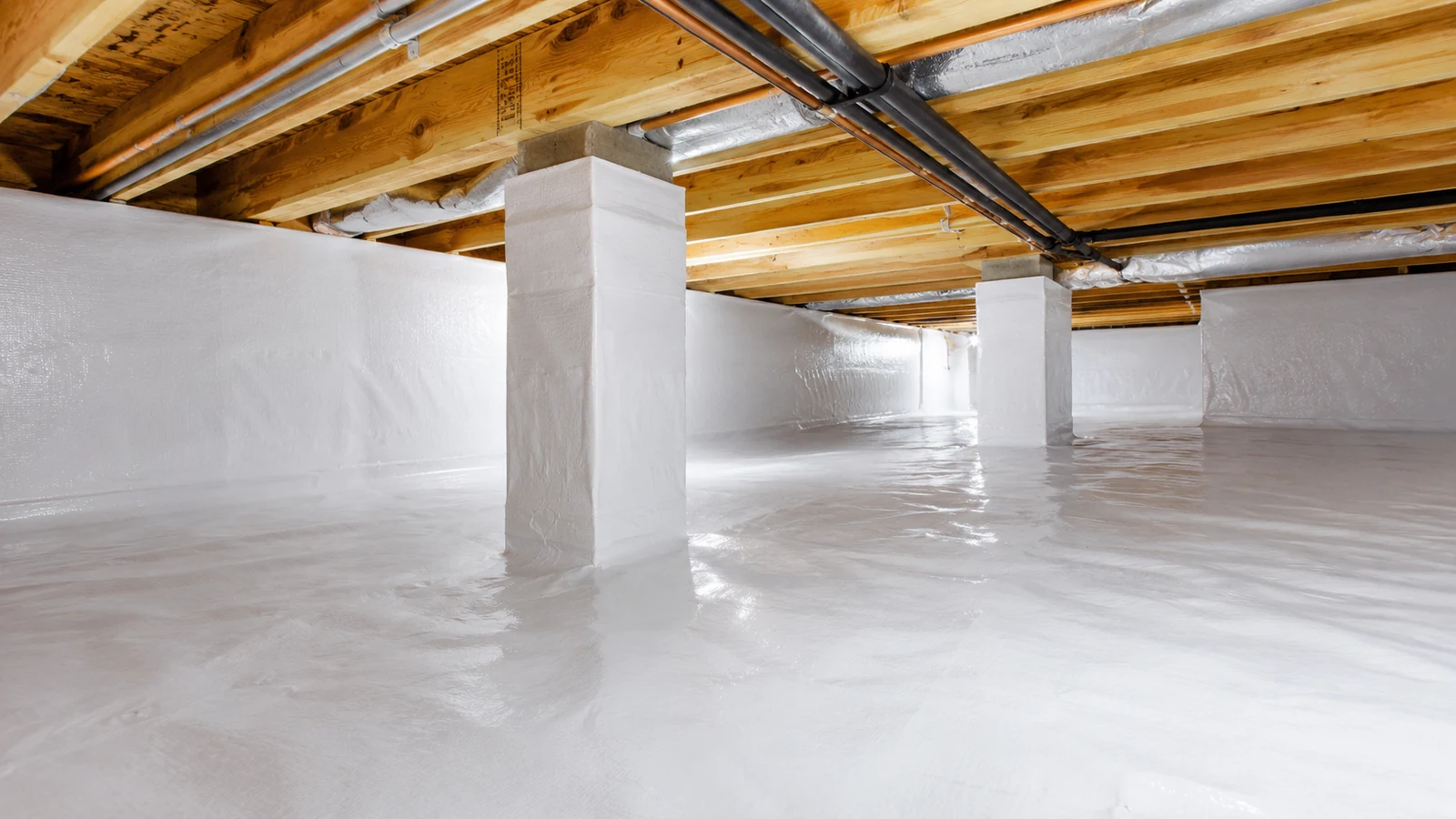
A wet crawl space may need drainage, a vapor barrier, encapsulation, dehumidification, insulation replacement, or a combination.
This page should move visitors toward a provider inspection rather than oversimplifying the solution.
Wet crawl space content should connect to drainage, vapor barrier, dehumidifier, and encapsulation pages.
Savannah sits in a humid subtropical coastal zone where warm, moisture-heavy air, frequent heavy rain, and high water tables combine to keep crawl spaces damp for long stretches of the year. Neighborhoods across Savannah, Pooler, Richmond Hill, Garden City, Port Wentworth, Tybee Island, and Thunderbolt include raised-floor homes, pier-and-beam construction, and older vented crawl spaces that were designed before modern moisture-control practices. When a summer thunderstorm drops several inches of rain in a weekend, water can move toward low spots under the home, stand against piers, or soak exposed soil. Once that moisture is trapped under the floor system, evaporation keeps the crawl-space air humid even after the yard looks dry. A wet crawl space is rarely caused by one single issue, which is why an inspection-based estimate is the right starting point: the provider needs to see whether the moisture is coming from ground evaporation, surface runoff, plumbing leaks, negative grading, gutter discharge near the foundation, or open foundation vents pulling in humid coastal air.
A useful crawl-space estimate in the Savannah area should start with a written inspection, not a sight-unseen quote. Expect the provider to check the crawl-space access, measure approximate clearance, note standing water or visible mud staining on piers, and look at the condition of the ground vapor barrier, insulation, subfloor, and floor framing for signs of long-term moisture exposure. In coastal Georgia, they should also ask about musty odors that get worse after rain, cupping hardwood floors, sticking doors, or allergy complaints inside the home, since those symptoms often trace back to damp crawl-space air moving upward into living areas. Photos of the crawl-space floor, walls, vents, and any previous liner help the estimator understand whether the job is a simple vapor-barrier replacement, a drainage correction, or a fuller encapsulation plan with sealed vents and a dehumidifier. Written scope matters because two homes with the same symptom can require very different work.
Providers in the Savannah market typically approach a wet crawl space in layers. If active water entry is present, drainage work or grading-related corrections usually come first, because sealing a crawl space that still floods traps a problem rather than solving it. Where moisture comes mainly from exposed soil, a fitted ground vapor barrier with taped seams, pier and wall detailing, and sealed edges can sharply reduce evaporation under the home. Homes in Tybee Island, Thunderbolt, and low-lying parts of Savannah with persistent humidity may benefit from full encapsulation: a heavier liner across the floor and walls, sealed vents, insulated access doors, and a properly sized crawl-space dehumidifier to hold relative humidity in a safe range. Insulation that has fallen, sagged, or absorbed moisture may need to be removed and replaced after the moisture source is corrected, rather than treated as a stand-alone fix. When you request an estimate, describe exactly what you are seeing, mention the property city or neighborhood, and attach photos if you can: clear requests get clearer written options.
It can be. Wet conditions can affect materials and comfort, but the exact risk depends on inspection findings.
A vapor barrier may help with ground moisture, but active water intrusion may require drainage first.
Some crawl spaces benefit from dehumidification after sealing, but equipment recommendations require inspection.
These are launch examples. Replace with real completed projects, dates, photos, and customer-approved details.