
Start with the moisture source
Odor-focused crawl-space pages should not promise health outcomes. The useful angle is finding the likely moisture source and deciding whether drainage, vapor barrier, encapsulation, or dehumidification is appropriate.
A musty smell near floors, vents, closets, or after rain can point to crawl-space moisture. Request an estimate for moisture-source review, vapor barrier, encapsulation, drainage, or dehumidifier options.
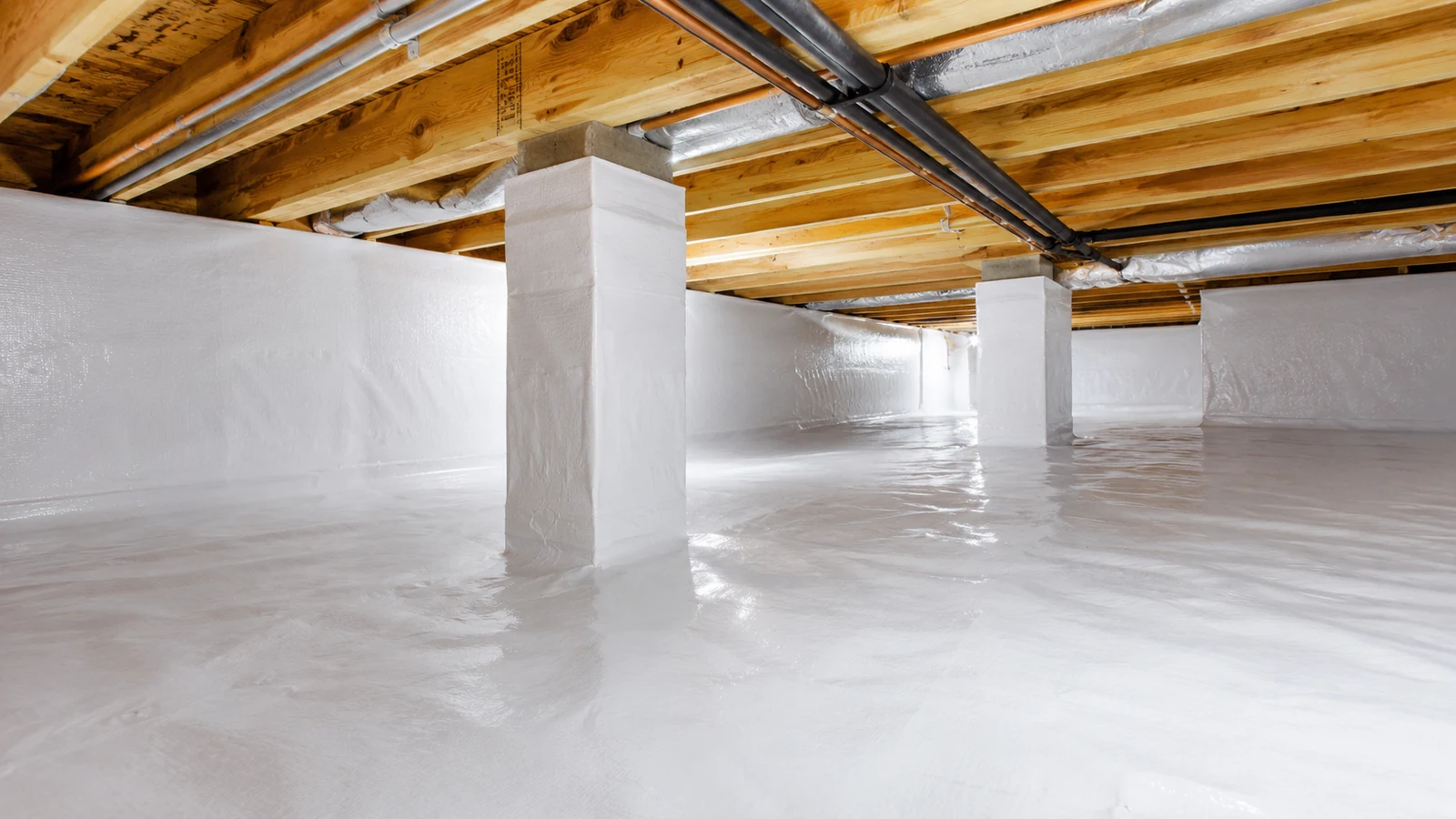
Odor-focused crawl-space pages should not promise health outcomes. The useful angle is finding the likely moisture source and deciding whether drainage, vapor barrier, encapsulation, or dehumidification is appropriate.
Savannah’s humid coastal environment can make musty crawl-space concerns more common, especially in older homes or homes with exposed dirt crawl spaces.
Note when the smell appears, whether it changes after rain, where it is strongest, and whether you can see wet soil, exposed ground, or falling insulation.
Moisture-control work may help reduce conditions associated with musty odors, but results depend on the source, materials, drainage, and whether mold or other issues are present.
Not always. A provider should inspect the crawl space to determine whether the first priority is drainage, vapor barrier, sealing, insulation, or humidity control.
Yes. Photos of access, soil, insulation, vents, and wet areas can help qualify the estimate request.
These are launch examples. Replace with real completed projects, dates, photos, and customer-approved details.