
Humidity control is a system
A dehumidifier can help, but humidity control may also require sealing, drainage, vapor barriers, and addressing outside air or water sources.
High crawl-space humidity is a common concern in coastal Georgia. Request estimate options for vapor barriers, encapsulation, drainage, and dehumidifier planning.
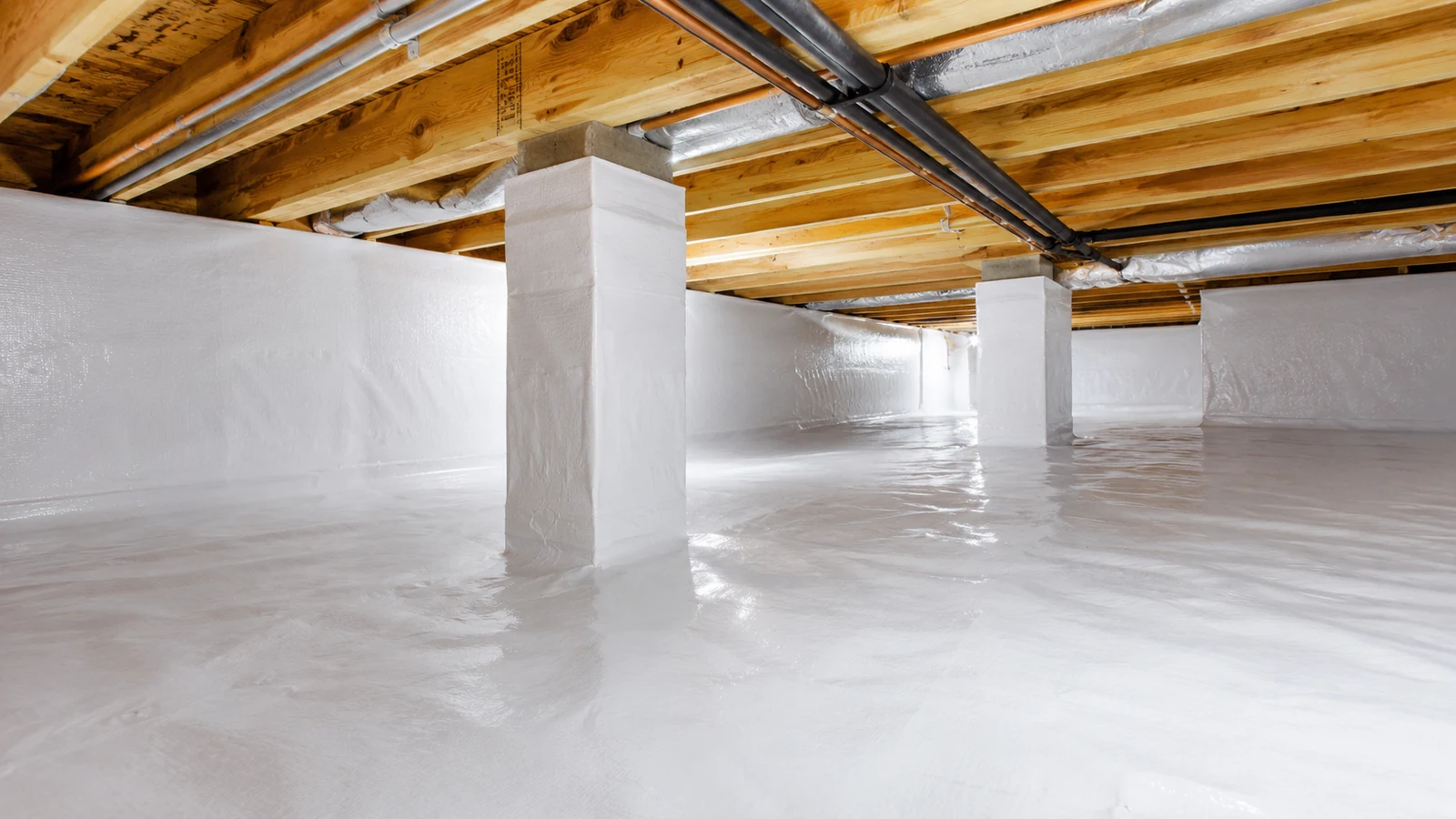
A dehumidifier can help, but humidity control may also require sealing, drainage, vapor barriers, and addressing outside air or water sources.
This page maps strongly to Savannah’s humid coastal climate without making unsupported promises.
Homeowners searching humidity often become good leads for dehumidifier and encapsulation providers.
Savannah averages long stretches of warm, humid weather, and crawl spaces sit at the lowest, coolest part of the house where that humidity collects and condenses. Vented crawl spaces pull in humid outdoor air all summer, and as that air cools under the home, relative humidity climbs toward levels that support condensation on ducts, plumbing, and wood framing. Bare soil adds another moisture source, evaporating ground water into the crawl-space air around the clock. In neighborhoods from Ardsley Park and Georgetown to Southside Savannah, Pooler, Richmond Hill, Garden City, Port Wentworth, Thunderbolt, and Tybee Island, high crawl-space humidity often shows up first as a musty smell in the hallway, sticky indoor air, or a crawl-space access cover that drips with condensation when it is opened. Humidity-driven problems build gradually, so an inspection-based estimate is the safest way to separate a seasonal nuisance from a chronic moisture condition.
A crawl-space dehumidifier works best inside a sealed, lined crawl space, not in an open vented one. When vents are open and soil is exposed, the unit fights the entire coastal atmosphere and runs constantly with little effect. That is why providers commonly quote dehumidifier installation as part of a fuller encapsulation scope: the project includes a ground vapor barrier or full liner across floors and walls, sealed vents, and managed penetrations, and the dehumidifier then maintains the sealed space at a controlled humidity. Sizing matters, since an undersized unit in a large or leaky crawl space will run continuously without reaching target levels, while an oversized unit may short-cycle. Ask for the written scope to include liner thickness, vent sealing, condensate management for the dehumidifier, and how the system will be monitored. A clear estimate should describe what life in the crawl space looks like after the work, not just list products.
When comparing written options from Savannah-area providers, ask how each plan handles the specific moisture sources on your property: ground evaporation, vent air, drainage, or plumbing leaks. Ask how they measured or assessed your crawl space, what humidity range the finished work is designed to hold, and whether the price includes sealing vents, access improvements, and dehumidifier setup or just a liner alone. Ask about the neighborhood or property type, since a pier-and-beam historic home in Savannah presents different access and clearance issues than a newer build in Pooler or Richmond Hill. Photos of your crawl space, the access opening, and any visible moisture help the provider give a sharper written estimate, so use the estimate request on this site to send that information in one step and compare the written scopes you receive rather than relying on national averages.
Target ranges depend on home conditions and provider recommendations. A qualified provider can inspect and advise.
Not necessarily. Drainage, sealing, or vapor barriers may be needed depending on the moisture source.
It can if the system is incomplete or conditions change. Inspection and monitoring matter.
These are launch examples. Replace with real completed projects, dates, photos, and customer-approved details.