Why crawl space findings are common in Savannah home inspections
Savannah's real estate market includes a significant inventory of older homes — Craftsman bungalows, Victorian-era structures, mid-century ranch homes, and post-war residential construction — many of which were built before modern crawl space moisture management standards were established. Home inspectors frequently discover conditions in these crawl spaces that reflect years of coastal humidity exposure: inadequate or degraded vapor barriers, fallen insulation, wood discoloration from moisture, evidence of prior water intrusion, and foundation venting that may not be performing as originally intended. These findings are common in Savannah and do not necessarily indicate catastrophic problems — but they do require evaluation, and in many transactions, repair estimates or completed repairs are expected before closing.
Understanding what inspection findings mean
Home inspection reports describe observed conditions — they do not typically provide repair scope, pricing, or prioritization. Buyers and sellers who receive a report with crawl space findings often need to work with a crawl space specialist to understand what those findings mean in practice. An inspector who notes 'inadequate vapor barrier' is documenting an observed deficiency; a crawl space specialist who then inspects the same space can explain whether the existing barrier is merely aging or was improperly installed, what replacement involves, whether moisture damage to other materials is present, and what a complete scope of work would include. Getting a crawl space specialist involved after a home inspection report is the right next step for any transaction where crawl space findings are significant.
Vapor barrier and moisture findings
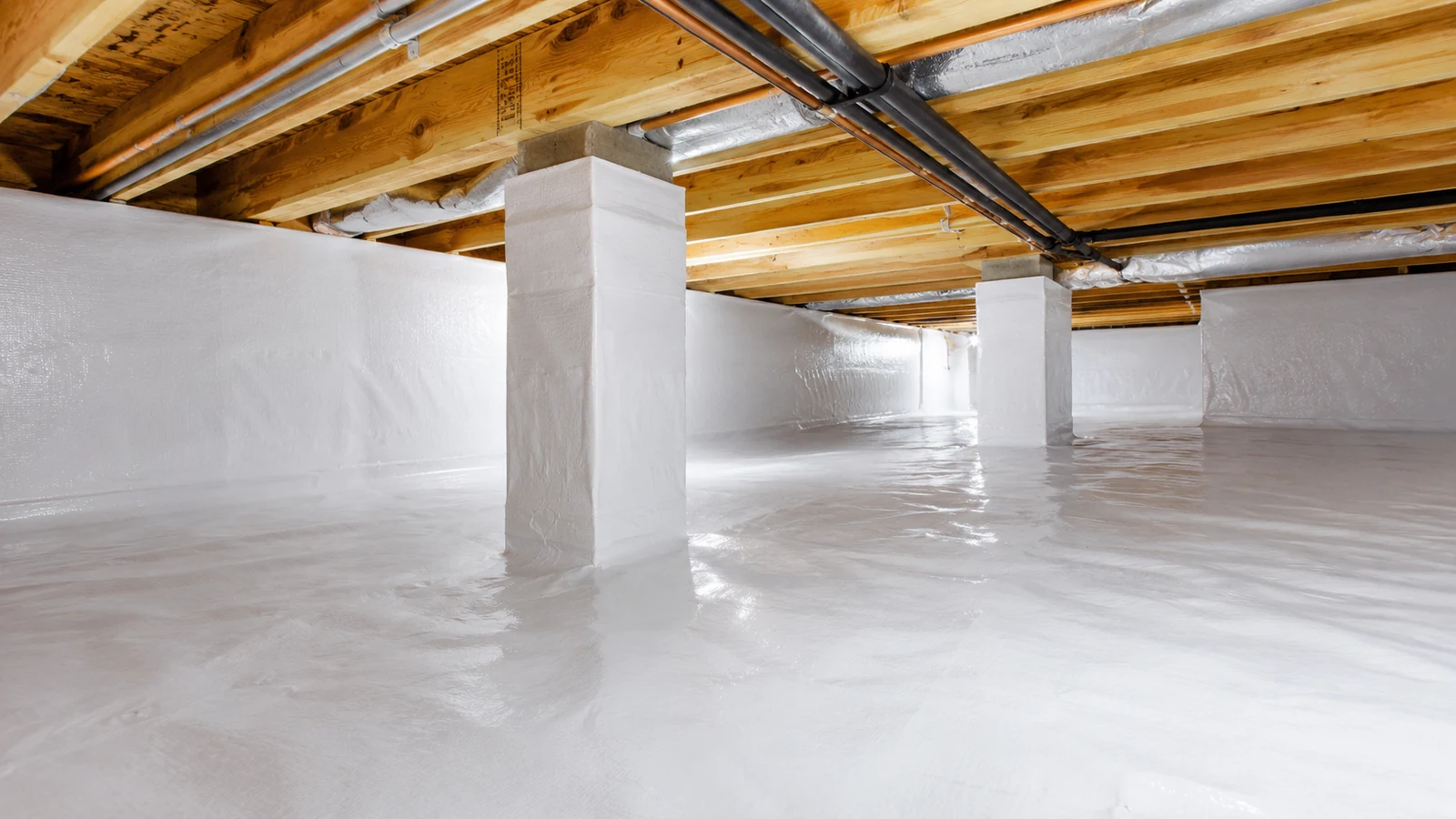
The most common crawl space findings on Savannah home inspection reports relate to vapor barrier condition and moisture evidence. Inspectors may note that no vapor barrier is present, that the existing barrier is damaged, torn, or inadequately installed, that moisture or condensation is visible on surfaces, or that there is evidence of prior water intrusion. These findings range in significance from relatively straightforward corrective action — installing or replacing a vapor barrier — to more complex scopes involving drainage work, encapsulation, and dehumidification. A specialist inspection after the home inspection report is the appropriate way to determine the actual scope and cost of repairs for the specific conditions observed.
Insulation condition findings
Fallen, sagging, wet, or missing crawl space insulation is one of the most frequently noted conditions on Savannah home inspection reports. Inspectors document this because deteriorated insulation reduces thermal performance, may indicate active moisture problems, and in some cases may be in contact with soil or other materials in ways that create concerns. From a repair standpoint, insulation replacement is a defined scope — but the appropriate approach depends on whether the underlying moisture conditions that caused the insulation failure are also being addressed. An estimate for insulation replacement should include an assessment of moisture conditions and a plan for preventing future insulation failure.
Wood condition and staining
Home inspectors who access crawl spaces routinely look at the visible wood framing — joists, sill plates, beams, and blocking — for evidence of moisture-related damage. Inspectors may note discoloration (darkening or staining) of wood, which can indicate past or current moisture exposure. They may note soft spots or compromised areas that suggest more significant degradation. They may recommend further evaluation by a licensed contractor or structural engineer for more serious findings. From a crawl space repair standpoint, addressing the moisture conditions that cause wood degradation is the preventive measure. If structural concerns have been identified, a licensed contractor or structural engineer should evaluate the specific framing before and as part of any crawl space repair scope.
Drainage and standing water in inspection reports
Home inspectors who note evidence of prior standing water, active water, or drainage concerns in a crawl space are identifying a condition that warrants specific attention. Drainage-related findings on an inspection report — whether the inspector observed water, wet soil, water staining on foundation walls, or comments about grading near the foundation — should be evaluated by a specialist who can assess the source and volume of water entry and recommend appropriate drainage solutions. These findings should not be addressed by vapor barrier installation alone — the drainage component must be specifically assessed and scoped.
Getting estimates for transaction support
In real estate transactions, crawl space repair estimates serve several purposes. Buyers may need estimates to understand total repair costs before completing a purchase or as part of negotiations. Sellers may want estimates before listing — or after an inspection report — to understand what repairs would cost or to complete repairs proactively to strengthen the transaction. In some cases, lenders require documented evidence of repairs or remediation before financing is approved. An estimate from a qualified local specialist provides documentation of what the scope involves and what it will cost. Savannah Crawl Space Repair connects homeowners and buyers with local specialists who can provide written estimates for any crawl space findings noted on inspection reports.
What to have ready when requesting a transaction estimate
When requesting a crawl space estimate in connection with a real estate transaction, sharing the relevant sections of the home inspection report — or a description of the findings — is helpful context for the specialist. Include the address or general neighborhood of the property, the approximate age of the home, whether the crawl space has been accessed recently, and whether any prior repairs have been done. If you are a buyer, note whether you need the estimate on a specific timeline in connection with your inspection contingency or closing date. A specialist can typically schedule an inspection within a reasonable timeframe for most Savannah-area transactions.