Why a flooded crawl space needs immediate attention
Standing water under your home creates conditions for mold growth within 24–48 hours of exposure. Structural wood, insulation, and vapor barriers all absorb moisture. The longer water sits, the more damage spreads — and the more the eventual repair will cost. If you are seeing water under your Savannah home right now, do not wait to request an estimate.
Common causes of crawl space flooding in Savannah
Savannah's coastal location, low elevation, heavy seasonal rain, and clay-heavy soils make flooding more common than in drier climates. Common causes include stormwater overwhelm, downspouts discharging too close to the foundation, grading that slopes toward the house, failed sump systems, plumbing leaks, and cracked or open foundation vents that allow surface water entry.
What happens during emergency water removal
A provider will first pump or extract standing water, then assess the source to understand where the water is coming from. Drainage corrections may need to happen before any sealing or encapsulation work begins. In most cases, the crawl space will need to dry out completely before a liner or dehumidifier is installed. The provider should document conditions before and after water removal.
Savannah storm season and crawl space risk
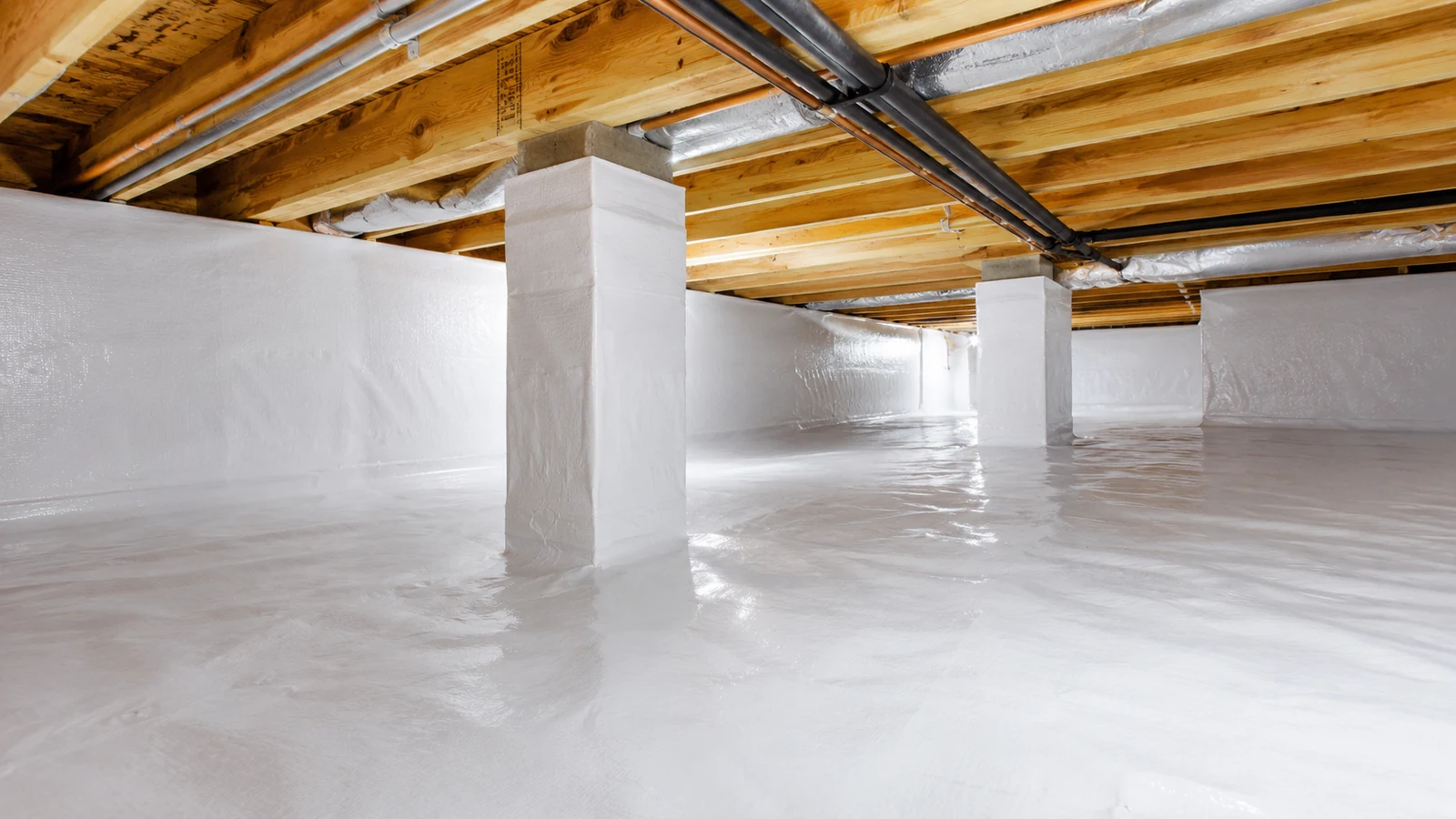
Hurricane season, tropical storms, and afternoon thunderstorms make summer and fall the highest-risk periods for crawl space flooding in the Savannah area. If your home has experienced flooding before, encapsulation with a drainage channel and dehumidifier is the most complete long-term protection available.