The most challenging crawl space environment in coastal Georgia
Tybee Island's position as a barrier island creates crawl space conditions that exceed those found anywhere else in the Savannah metro area. The island receives the full Atlantic Ocean humidity load year-round. Salt air accelerates the degradation of materials — including vapor barriers, insulation, and exposed wood. The water table is extremely shallow, sometimes within a few feet of the surface even in dry periods, and rises significantly during storm events. Hurricane and tropical storm impacts create storm surge conditions that can affect crawl spaces even in homes that appear to be at adequate elevation. Any crawl space management plan for a Tybee Island home must account for this extreme environment.
Encapsulation on Tybee Island
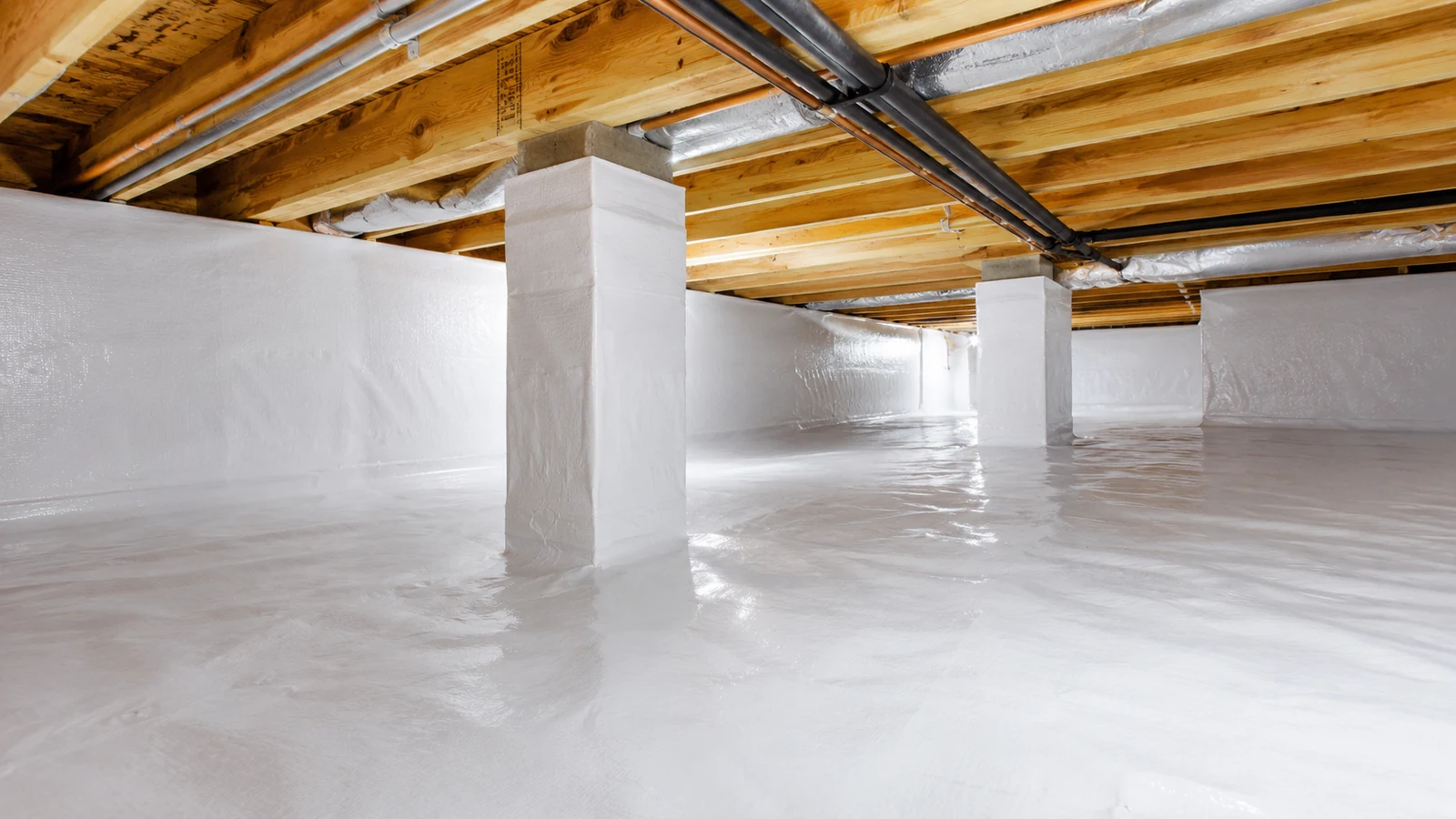
Full encapsulation is the approach most aligned with Tybee Island's conditions for homes that have crawl spaces. The encapsulation system — liner, wall coverage, vent sealing, and dehumidification — creates a managed interior environment that is as isolated as possible from the island's extreme outdoor humidity. For barrier island conditions, liner material selection matters: thicker, more durable liners hold up better in the high-humidity, potentially salt-air-influenced environment of a crawl space that may be accessed infrequently and is subject to significant moisture stress year-round.
Drainage for barrier island homes
On Tybee Island, drainage is not optional — it is a core component of any crawl space moisture plan. The shallow water table means that even without direct rain, groundwater can be near or at the crawl space floor level in lower areas. During tropical weather events, storm surge can push water under foundations. Interior drainage systems with appropriately sized sump pumps — and battery backup systems given the frequency of power outages during tropical weather — are frequently necessary for Tybee Island crawl spaces. Any encapsulation estimate for a Tybee Island home should include a thorough drainage assessment.
Seasonal and investment properties
Many Tybee Island homes are used seasonally or as rental investment properties, which means the crawl space may go unmonitored for extended periods. This makes active moisture management — encapsulation with a dehumidifier that runs continuously and a sump pump that operates automatically — particularly important. A crawl space that goes unchecked during humid summer months in a seasonal property can develop significant moisture-related conditions quickly. Monitoring options, including remote humidity sensors, can provide alerts for property owners who are not on-island full time.