Buying a home in Savannah? The crawl space inspection is one of the most important parts of your due diligence — and one of the most overlooked. Here is what to know before you get to the inspection report.
What home inspectors check in a Savannah crawl space
A standard home inspection includes a crawl space evaluation. The inspector will typically check for visible moisture or standing water, vapor barrier condition and coverage, insulation condition (wet, falling, or missing insulation is a red flag), wood rot or structural concerns on joists and beams, HVAC duct condition, visible mold growth, and plumbing leak evidence. In Savannah's humid climate, moisture-related findings are common even in well-maintained homes.
Common crawl space inspection findings in Savannah
The most frequent findings in Savannah-area home inspections include: no vapor barrier or partial coverage, deteriorated or failed original barrier, high ambient humidity, falling or compressed insulation, evidence of past water intrusion, surface mold on joists, and open or poorly sealed crawl space vents. None of these findings automatically kill a deal — but they do require a repair estimate before negotiating.
How to handle inspection report findings
If your inspection report flags crawl space moisture issues, the next step is a separate estimate from a crawl space specialist — not just the inspector's cost guess. Inspectors identify problems; specialists provide accurate repair pricing. Get a written estimate with a specific scope before you go back to the seller with repair requests. An estimate in hand is far more credible than a general "the inspector said there's a problem."
Should you ask the seller to fix it or take a credit?
Both approaches have merit. If the seller fixes it, you have no control over the quality of the work or who they hire. If you take a credit, you control the repair and can hire your preferred contractor. In a competitive Savannah market, a credit is often cleaner and faster. Make sure the credit amount is based on a real estimate, not a guess.
What crawl space work may be needed after purchase
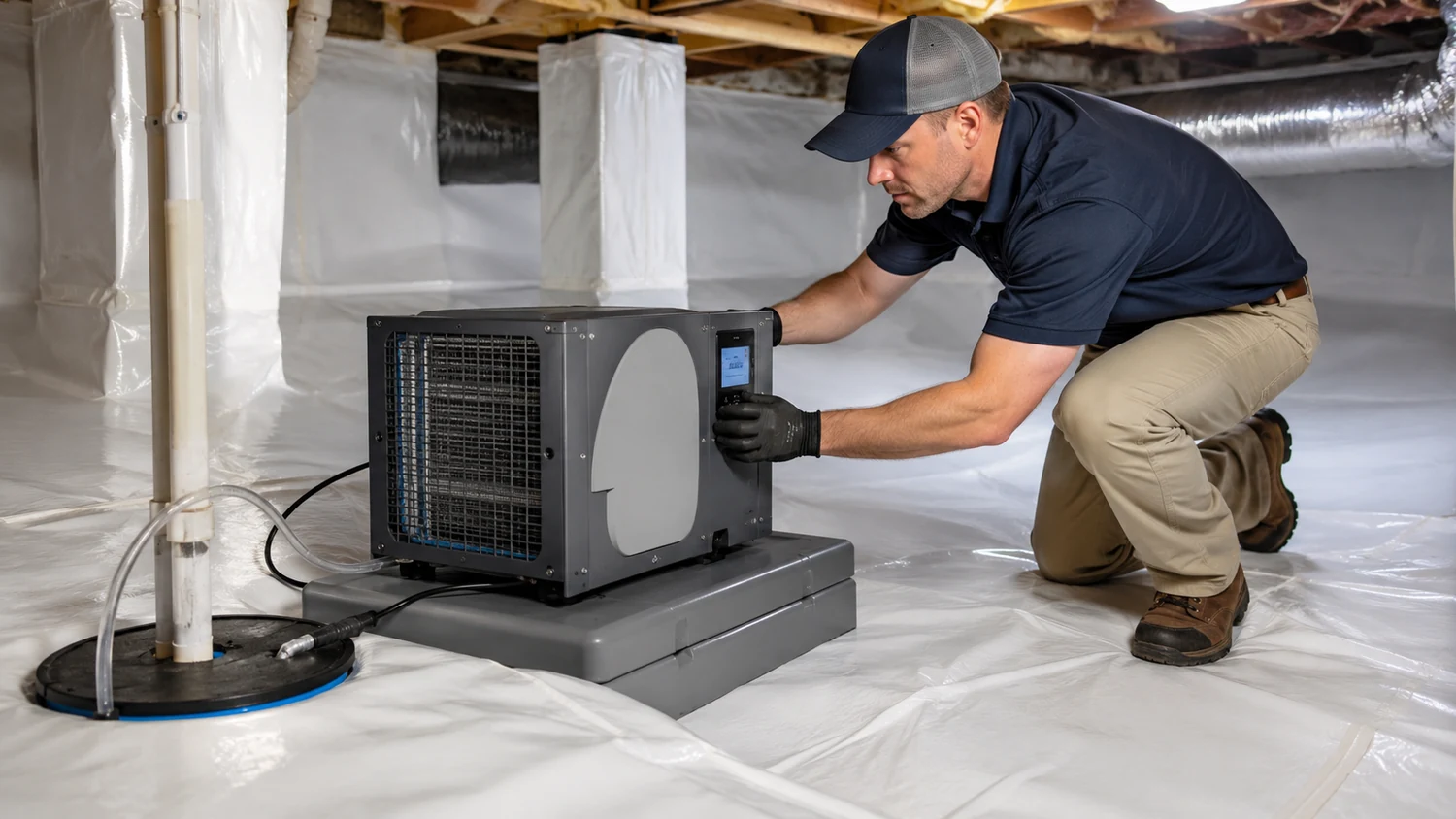
Even in homes where the inspection did not flag major issues, crawl space encapsulation is a common first-year upgrade for Savannah buyers — particularly for older homes or those with vented crawl spaces. Encapsulation improves indoor air quality, reduces humidity, protects structural wood, and is generally easier to do before you move in and fill the space with stored items.
Related resources
For more on real estate crawl space situations, see our real estate inspection crawl space page and our encapsulation overview.