"Crawl space waterproofing" is a term used differently by different contractors. For some it means a full encapsulation system. For others it means interior drainage. For others it means exterior foundation waterproofing. Before you request an estimate for crawl space waterproofing in Savannah, understand what the term actually encompasses — so you can ask the right questions.
Interior vs. exterior waterproofing
Interior crawl space waterproofing manages water after it enters the crawl space — through drainage channels, sump systems, and liner installation. Exterior waterproofing addresses the foundation walls from outside to prevent water from entering at all. Exterior waterproofing is significantly more invasive and expensive and is typically reserved for situations where water is entering through the foundation walls rather than through the floor or vents.
What most Savannah homeowners mean by waterproofing
In the Savannah context, most homeowners searching for crawl space waterproofing are dealing with one of these situations: standing water after rain events, water intrusion through open or cracked vents, high soil moisture migrating up through an unprotected floor, or general crawl space moisture management for an older home. For most of these situations, interior drainage correction plus encapsulation is the appropriate and cost-effective solution.
The drainage component
If water is entering the crawl space, drainage must be addressed first. This may include: correcting exterior grading so water drains away from the foundation, extending downspouts further from the house, installing interior perimeter drainage channels to collect and redirect water, adding a sump pump if water volume warrants it, and sealing any foundation vents or cracks through which surface water is entering.
Encapsulation after drainage
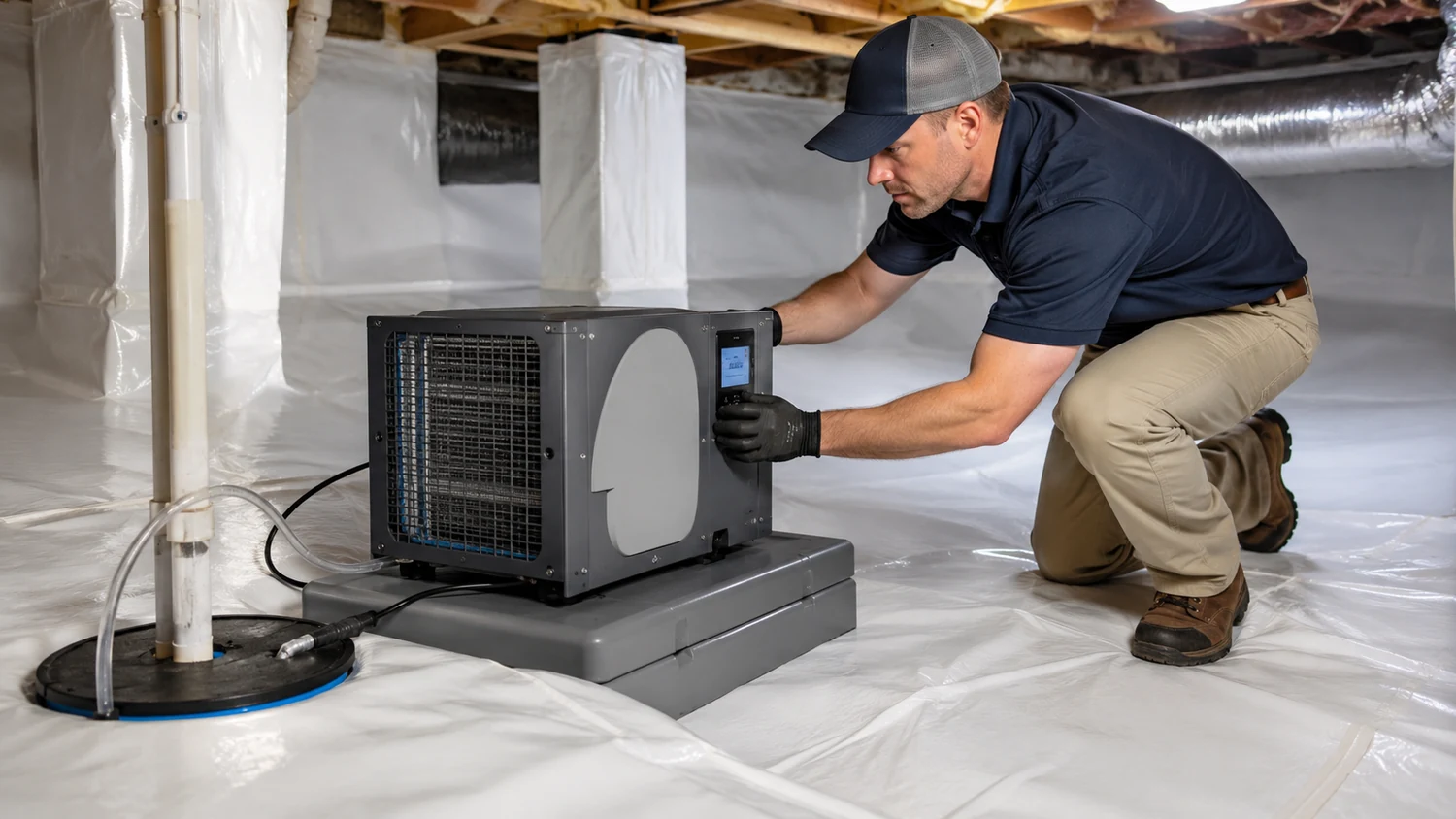
Once drainage is under control, encapsulation provides the comprehensive moisture barrier — liner across the floor and walls, sealed vents, sealed access door, and a dehumidifier to manage humidity in the sealed space. This combination — drainage correction plus encapsulation — is what most providers recommend for Savannah homes with persistent water or moisture concerns.
How to get an accurate waterproofing estimate
Ask specifically: where is the water coming from? Is it surface runoff, groundwater, condensation, or a plumbing source? The answer determines the right solution. A provider who gives you a single "waterproofing package" price without assessing the source should be asked to explain what specifically they are solving and why.
See our crawl space drainage and standing water guide for related information.